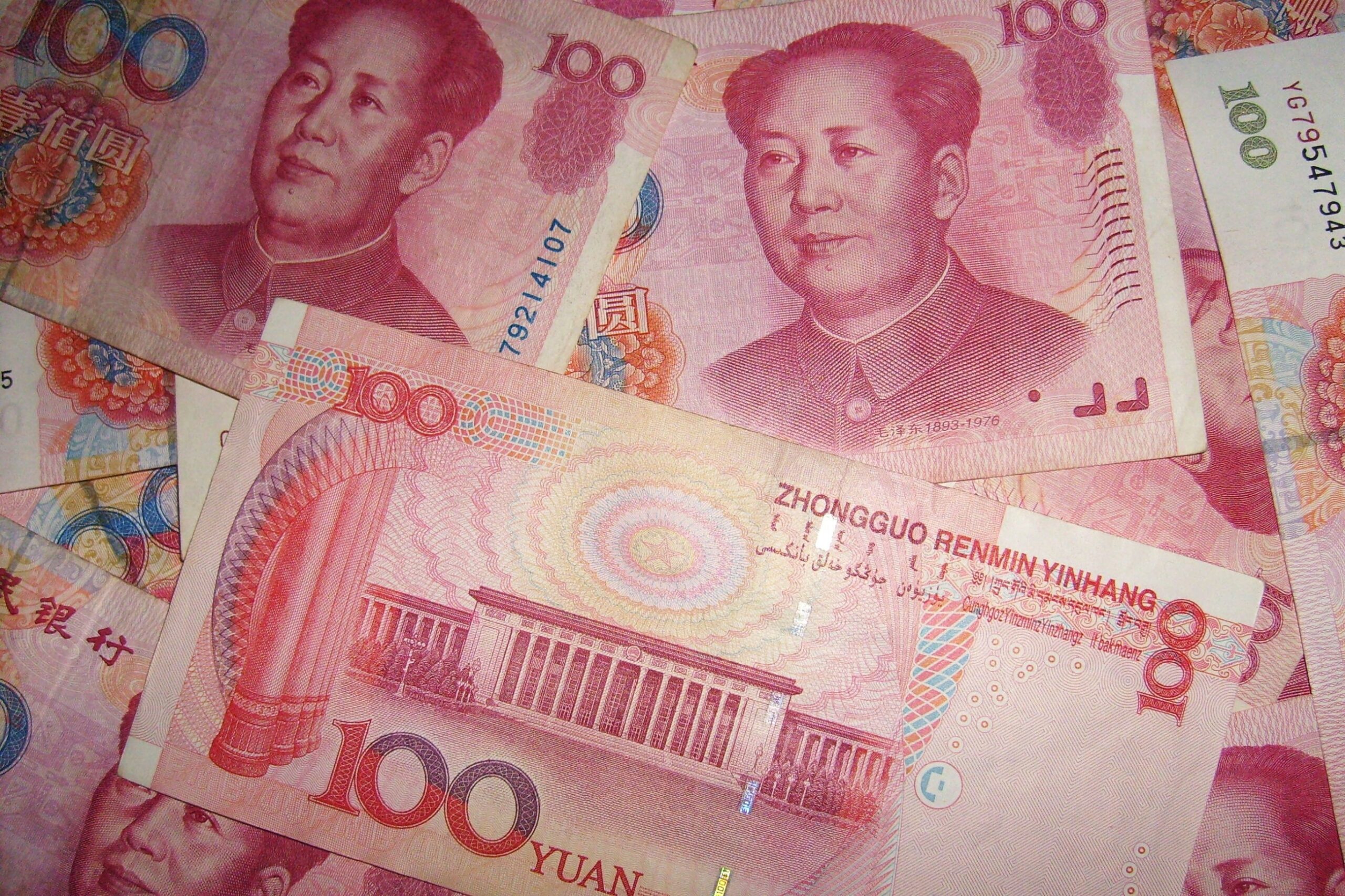
When China first entered the World Trade Organization, the global economy experienced an unprecedented shift in trade structure. Although the pace of China's real economic development surged, its financial system for years has remained relatively closed to foreign investors, imposing strict capital controls. Recent years have seen a trend of a gradual opening of the Chinese financial market, including programs such as the Shanghai – Hong Kong Stock Connect and Bond Connect. However, 2020 marks a special milestone, with China’s USD 15 trillion bond market opening for foreign investors, as well as the inclusion of Chinese Government bonds in the three major international bond indexes (by FTSE Russell, Bloomberg Barclays, and JPMorgan Chase).
In order to access Chinese securities, global investors primarily relied on proxies of domestic Chinese assets, as they were unable to do otherwise. Now, global institutions such as pension funds, endowments, and asset managers are likely to shift their asset allocation to Chinese Government bonds in order to access safe debt instruments, with a yield exceeding 3% in domestic currency terms. Furthermore, such attractive terms, paired with increased demand and liquidity, allow for a very competitive alternative to Japanese government bonds and other sovereign debt currently yielding zero or negative returns.
The opening of China's capital market is anticipated to be one of the most crucial structural changes to the global financial industry since the launch of the euro currency. Additional inflows of foreign investment will promote deeper integration of China and the Chinese yuan into the global financial markets. Several regulatory changes in the domestic market are also expected to follow. Foreign currency control of by the Chinese authorities is likely to loosen, allowing for a more transparent yuan valuation.
In addition, the opening up of China's bond market will allow China to access foreign capital and finance the projected current-account structural deficit in order to support economic growth. Foreign institutions, in turn, can present their innovative and mature ways of conducting business to participants in the local market. Therefore, the country will benefit from better use of capital and financial transparency, different sources of financing and more efficient and productive investments.