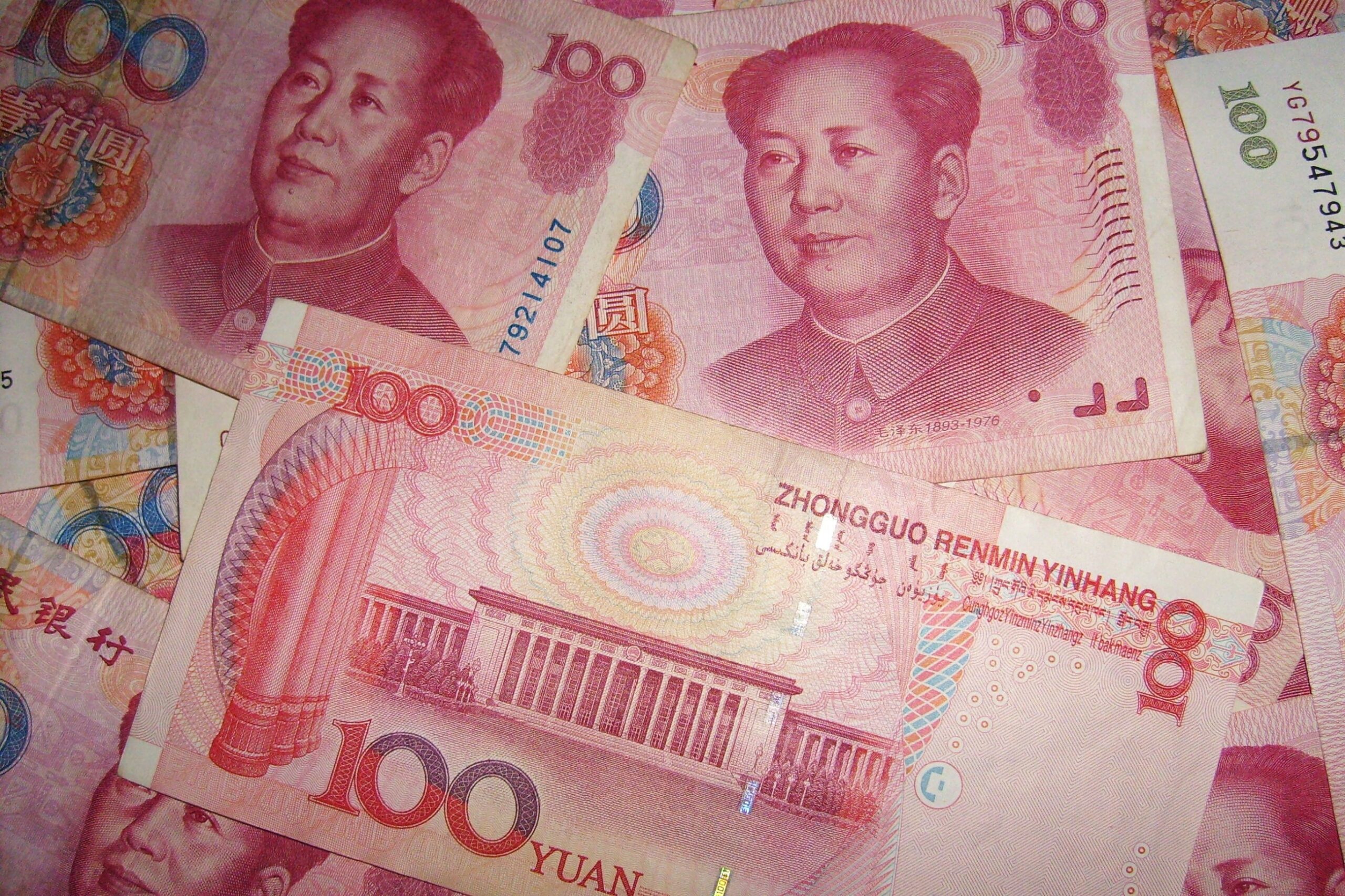
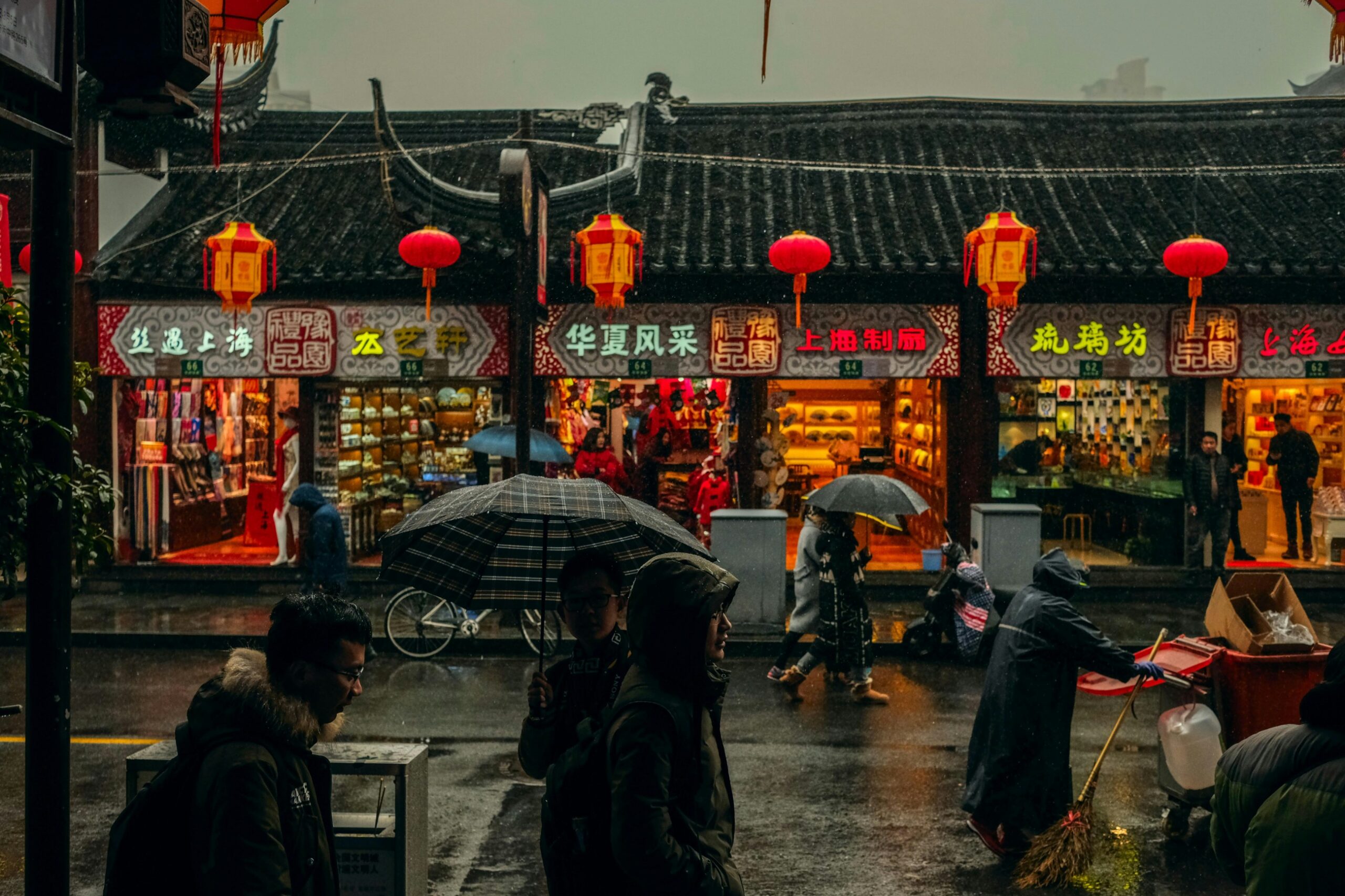
The new coronavirus, Covid-19, may end up putting a serious dent on China’s nearly 30-year role as the world’s leading manufacturer.
China’s economy is getting hit much harder by the coronavirus outbreak than markets currently recognize. Wall Street appeared to be the last to realize this last week as the S&P 500 fell over 8%, the worst performing market of all the big coronavirus infected nations. Even Italy, which has over a thousand cases now, did better last week than the U.S.
On January 23rd, Beijing ordered the extension of the Lunar New Year holiday, postponing a return to work. The coronavirus was spreading fast in the epicenter province of Hubei and the last thing China wanted was for that to be repeated elsewhere. Travel restrictions and quarantines of nearly 60 million people drove business activity to a standstill.
The most frightening aspect of this crisis is not the short-term economic damage it is causing, but the potential long-lasting disruption to supply chains.
Chinese auto manufacturers and chemical plants have reported more closures than other sectors, IT workers from many firms have not returned as of last week and shipping and logistics companies have reported higher closure rates than the national average. The ripple effects of this severe disruption will highly likely be felt through the global auto parts, electronics, and pharmaceutical supply chains for months to come.
The notion that China is losing its prowess as the only game in town for manufacturing was already under way, although moving at a panda bear’s pace, companies were doing as they always do – searching the world for the lowest costs of production. Perhaps that could mean labor costs or regulations of some kind or another, nevertheless, as China moves up the ladder in terms of wages and environmental regulations, multinational companies were expanding their horizons.
Under President Trump, that slow moving panda moved a little faster as companies were not keen on the uncertainty of tariffs and sought to source elsewhere while their Chinese partners moved to Vietnam, Bangladesh and throughout southeast Asia.
Enter the mysterious coronavirus, believed to have come from a species of bat in Wuhan, and anyone who wanted to wait out Trump was now forced to reconsider their decade long dependence on China.
Retail pharmacies in parts of Europe have reported that surgical masks could not be obtained as they’re all made in China. Can Eastern European countries not manufacture such products? As their labor costs are even lower than China’s, and they are much closer in proximity.
The coronavirus might very well be China’s swan song. It is now blatantly evident that it cannot be the low-cost, world manufacturer anymore. Those days are coming to an end and if Trump wins re-election, it will only speed up this process as companies will fear what happens if the phase two trade deal fails.
Picking a new country, or countries, is not easy. As no large nation has the logistic set up nor the tax rates that China possesses, nations such as Brazil fail short in these areas and whereas India is favorable in certain aspects, its logistics leaves a lot to be desired.
To end on a positive note, yes, China might be losing its superiority as the world’s main (or in some cases only) supplier. However, this states once more the maturity that China’s economy has obtained. Only a developing country can offer cheap supply and highly inexpensive labor costs. As China strengthens its relevance in the service sector, it shows once more that the Middle Kingdom is now a fully developed country, along with the related struggles and benefits.