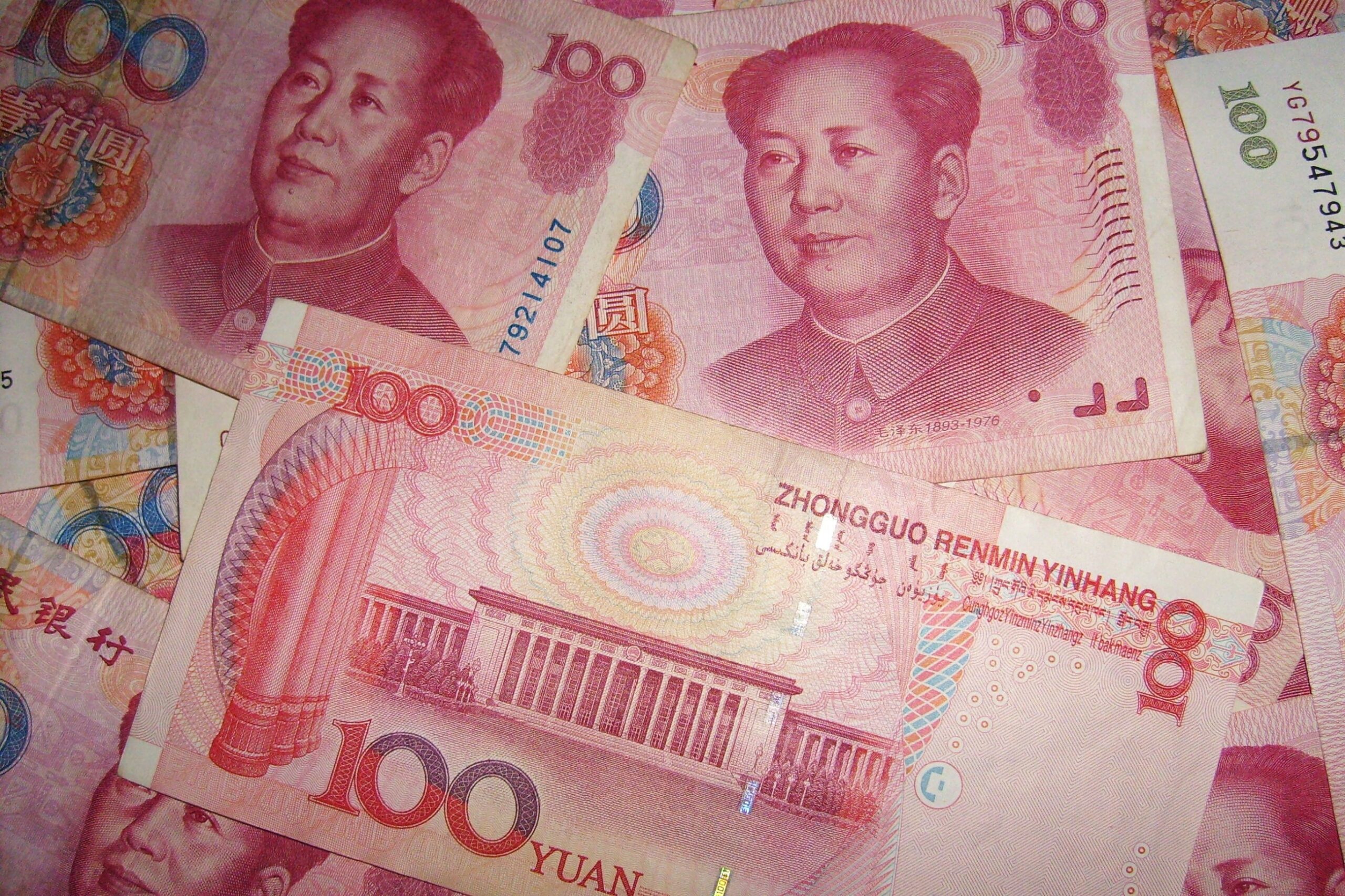
Getting money out of China is a question that frequently arises as many expatriates working in China save up their hard-earned Renminbi (RMB), at a certain point they will want to take their savings back to their home country. For all those expats legitimately employed in China and paying taxes, this will not be a problem.
As we are all aware, currency regulations are relatively strict in China and are designed to prevent large sums of money from leaving the country. The State Administration of Foreign Exchange (SAFE) is the authorized institution that controls foreign exchange, including the amount of money entering and leaving the country. In order to legitimately take money out of China an application must be made to SAFE, which is usually done through a bank, to show proof of income taxes paid in China.
We have outlined several of the most common methods for individuals to take money out of China below. It’s important to state at the outset that there are no limitations for foreigners to transfer money out of China, as long as the person is legally employed in China and all taxes have been paid.
1. For transfers from current accounts, any legitimate earnings in RMB can be converted into a foreign currency and remitted out of China. Legitimate earnings include salaries/wages, rent generated from properties in China, royalties, and dividends from Chinese companies. The application for the conversion and remittance must be forwarded to the bank, and the documents which need to be presented area valid passport, a valid working visa, labor contract, and the documentation proving that the relevant taxes on the income have been paid. The last document should be easily provided by the company the person works for and is enough to allow the bank teller to know how much money can be legally transferred out of China.
2. For transfers from capital accounts, a foreigner can legitimately transfer the income arising from the sale of real estate in China. Foreigners can also transfer money out of China derived from the selling of their shareholdings in Chinese companies with foreign-invested capital or limited partnership enterprises through their capital account. China's State Administration of Foreign Exchange has laid down detailed rules in terms of converting and transferring such income out of China.
3. Carrying Cash Across Borders. In the case of foreign currency, an amount of USD 5,000 cash can be carried each time when crossing the border. In the case of RMB cash, the maximum amount is RMB 20,000. In the abovementioned scenarios, no documentation or proof would be requested by the authorities.
For more information on this matter, please contact our offices at info@phcadvisory.com.