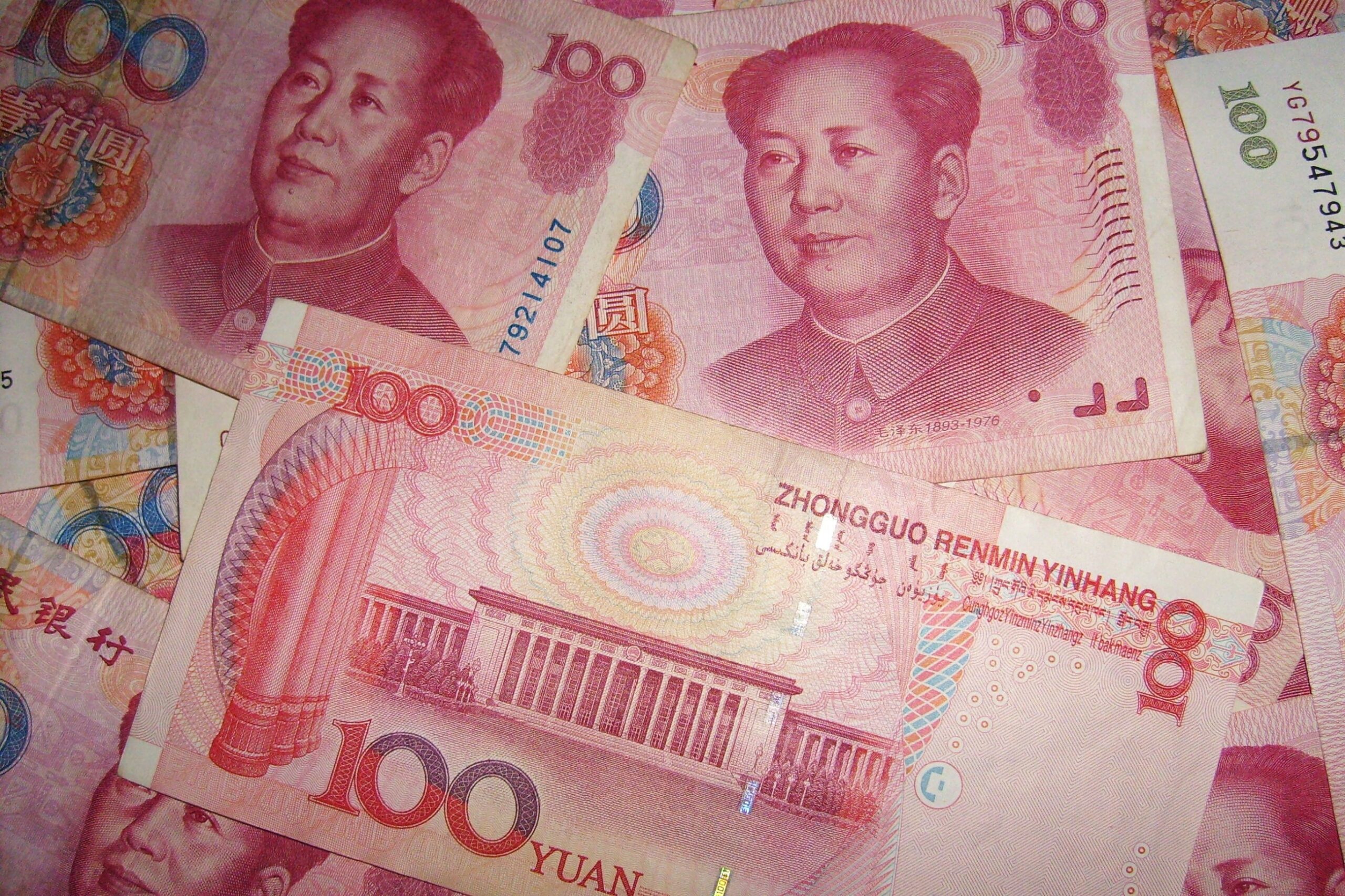
China's Tax Crackdown: Authorities Pursue Decades-Old Debts
Recently, a number of listed companies have disclosed that the tax authorities have recovered their tax evasion and tax arrears in the past few years. This action of the tax authorities to "reverse check and pay taxes" has aroused widespread concern in the business community. Fear of sudden financial liabilities and a more stringent regulatory climate looms large, potentially deterring foreign investors and stifling economic growth.
Balancing fiscal recovery with a welcoming business environment poses a formidable challenge for Chinese authorities. The outcome will be pivotal, influencing both domestic economic stability and international perceptions of China's investment climate.
As the crackdown unfolds, the global business community watches closely, keen to see how China navigates these financial pressures while maintaining economic momentum.
China's Tax Authorities Deny Nationwide Back Tax Crackdown
China's tax authorities have made it clear that it has not conducted a widespread initiative to collect decades-old back taxes. The State Taxation Administration clarified that recent tax collection efforts are routine measures to ensure compliance, not part of a new, aggressive campaign.
Local governments do have an incentive to increase their tax collection activities due to financial strains from the pandemic and economic slowdown. However, officials emphasize these actions are localized and standard, aimed at maintaining a fair tax environment. The authorities assure that their goal is not to deter foreign investment or harm business operations but to uphold tax laws fairly and consistently.
Businesses in China have expressed anxiety over unpredictable financial hits, fearing these tax demands could disrupt operations and investment plans. The government's clarification aims to ease these concerns by reinforcing that the measures are not intended to create additional burdens but to ensure all entities meet their tax obligations.
This balanced approach is crucial as China navigates economic recovery while striving to attract and retain investment amidst ongoing fiscal challenges.
Boost for Advanced Manufacturing: China Releases List for VAT Additional Deduction Policy 2024
China's Ministry of Industry and Information Technology, along with the Ministry of Finance and the State Administration of Taxation, have issued a notice outlining procedures for compiling the list of advanced manufacturing enterprises eligible for the Value Added Tax (VAT) deduction policy in 2024.
This policy, aimed at supporting technological innovation and industrial development through tax reductions, emphasizes that eligible enterprises must qualify as high-tech enterprises engaged in manufacturing activities. Criteria include having manufacturing sales comprising more than 50% of total sales in 2023 and maintaining high-tech enterprise status throughout 2024.
Local industrial and information technology authorities, in collaboration with science and technology, finance, and tax departments, are tasked with verifying and recommending eligible enterprises. The policy period for eligible enterprises ranges from January 1, 2024, to April 30, 2025, depending on their high-tech enterprise certification status.
Efforts include streamlining tax filing processes and ensuring compliance to foster a conducive environment for advanced manufacturing growth amidst economic challenges.
At PHC Advisory, we can offer you full support on matters regarding doing business in China, or any other issues your business may face. If you would like to know more about policies relevant to your business in Italy or Asia, please contact us at info@phcadvisory.com.
PHC Advisory is a company of DP Group: an international professional services conglomerate of companies with approximately 100 experienced professionals worldwide. We offer comprehensive services in tax, accounting, and financial consulting, including financial supervision, financial audit, internal audit, internal control over financial reporting, and support for audited financial statements and annual audits, ensuring clients' financial transparency and compliance.
The content of this article is provided for informational purposes only, financial advice must be tailored to the specific circumstances on a case-by-case basis, and the contents of this article do not legally bind PHC Advisory with the reader in any way.
If you want to know more about doing business in China, please have a look at our previous articles:
• Rebate Policy of Unemployment Insurance for the Year 2024
• Vietnam-U.S. Partnership: Forging Closer Economic Bonds